
- Your cart is empty
- Continue Shopping
Understanding Hernia Scans: A Comprehensive Guide
- Medical, Scans
- Posted on
-
by Muhammad Tabarak
- 0 comments
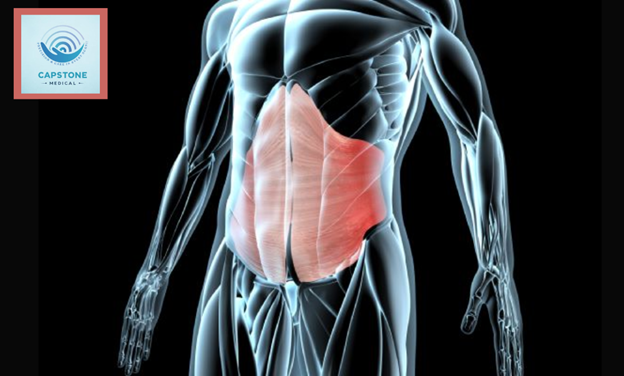
What is Hernia:
A hernia occurs when internal organs or tissues protrude through the surrounding muscle or tissue wall, resulting in a noticeable lump, especially during physical strain. While hernias are more common in men, women are susceptible to specific types, such as femoral hernias. This article explores the different types of hernias, their symptoms, and the role of hernia scans in diagnosis and treatment.
Types of Hernias:
- Inguinal Hernia: Affects the groin and is more common in men.
- Femoral Hernia: It also affects the groin but is more prevalent in women, occurring near the femoral artery and vein.
- Umbilical Hernia: Affects the tummy, particularly near the belly button.
Symptoms and Severity:
Hernias are often symptomless but may cause discomfort or pain. If left untreated, they can lead to severe complications. Warning signs of a medical emergency include constipation, vomiting, and unbearable pain. Although hernias are more common in men, femoral hernias are a specific concern for women due to their proximity to vital blood vessels.
The Purpose of a Hernia Scan:
Hernia scans play a crucial role in diagnosing and evaluating hernias. In some cases, watchful waiting may be an option, but for enlarging or painful hernias, surgery is often necessary. Ultrasound technology is commonly employed to perform hernia scans, providing a painless and non-invasive way to examine the affected area. The two primary types of hernia operations are open hernia repair and minimally invasive hernia repair.
- Hernia Scans for Diagnosis: Ultrasound scans, also known as sonography, use sound waves to create images inside the body. The scan involves applying gel on the skin to facilitate the transmission of sound waves, which are then captured by a probe. These images help the sonographer assess the affected area, and in the case of hernias, they can identify the location, size, and severity. The ultrasound scan is safe, pain-free, and allows individuals to resume normal activities immediately afterward.
For example, If you suspect a hernia but are unsure, a hernia scan can provide clarity. Using the same ultrasound technology as pregnancy scans, these scans can confirm whether a hernia is the cause of a lump in the groin or abdomen. The examination results in a comprehensive report that can be shared with your doctor for further guidance.
About Ultrasound Scanning:
Ultrasound scanning has been a reliable medical diagnostic tool for years, offering a non-invasive and safe way to visualise internal structures. The procedure involves the use of sound waves to create images, and the resulting scans can be instrumental in identifying various hernias, including inguinal, femoral, and umbilical hernias.
If you need ultrasound imaging services to identify a range of hernias, you are in the right place; Capstone Medical offers expert sonographers trained in using ultrasound technology to detect irregular hernias. High-frequency sound waves are used to create detailed images of inguinal and femoral hernias, as well as the surrounding abdominal muscle and tissue wall. The procedure is safe and pain-free and can help determine the best course of treatment for the identified hernia.
FAQs:
- Do I need to do anything to prepare for my hernia scan?
No, there is no preparation necessary for this ultrasound scan.
- What should I wear on the day of my groin scan?
Wear comfortable clothing, and the sonographer will guide you if any specific attire is needed.
- How long does a hernia scan typically take?
A hernia scan is a relatively quick procedure, usually taking around 15 to 30 minutes, depending on the complexity of the case. The sonographer will guide you through the process and answer any questions you may have during the examination.
- Is there any discomfort during the hernia scan?
Hernia scans are generally painless. The sonographer applies gel to the skin to enhance the transmission of sound waves, and the probe may be gently moved over the area of interest. Most individuals find the procedure comfortable, and there are no known side effects associated with hernia scans.
- Can a hernia scan detect all types of hernias?
Yes, hernia scans using ultrasound technology can effectively detect various types of hernias, including inguinal, femoral, umbilical, and others. The detailed images produced during the scan help in identifying the location, size, and characteristics of the hernia, allowing for accurate diagnosis and appropriate treatment planning.
Conclusion
Hernia scans are invaluable in diagnosing and evaluating different types of hernias. Whether it’s an inguinal, femoral, or umbilical hernia, ultrasound technology provides a non-invasive and accurate way to assess the condition.
Are you Seeking a professional opinion? Consider Capstone Medical Professionals; they can guide appropriate treatment and ensure a timely response to potential complications. Capstone Medical is accessible to everyone and provides expert care for individuals experiencing hernia-related concerns.
Contact Today!!
